Social Skills Training

What is Social Skills Training (SST)?
Social Skills Training (SST) is a structured, evidence-based approach that helps children learn how to interact with others in confident and meaningful ways. For children with autism spectrum disorder (ASD), developmental delays, or social anxiety, everyday social situations can feel overwhelming and confusing.
At RISE Development Centre, we break social interactions down into teachable steps, giving children the tools to understand, practise, and apply social behaviours in real-life contexts. Every child receives an individualised plan targeting the specific skills they need most.
Social skills development built in childhood shapes how a child relates to the world for years to come. Early, targeted intervention makes a measurable difference.
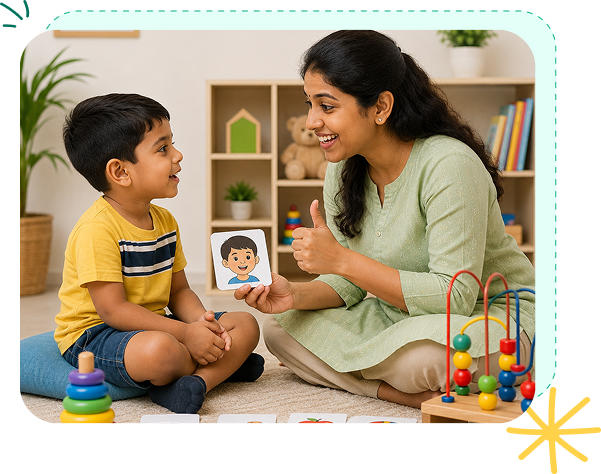

Social Communication Skills We Teach at
RISE Development Centre
Starting & Maintaining Conversations
We teach children how to initiate conversations naturally, take turns speaking, stay on topic, ask follow-up questions, and end interactions politely. These are the building blocks of genuine, back-and-forth communication with peers and adults.
Greetings & Social Courtesies
We help children learn appropriate greeting behaviours, polite responses, and social manners. These courtesies help children make positive first impressions and build respectful relationships from the very first interaction.
Eye Contact & Attention
We help children understand when and how to use eye contact during conversations, while always respecting individual comfort levels, sensory sensitivities, and cultural differences. The goal is authentic connection, not forced behaviour.
Understanding Emotions & Expressions
We teach children to recognise and interpret facial expressions, tone of voice, and emotional cues in others. This emotional awareness forms the foundation of empathy and helps children respond more appropriately to how others are feeling.
Non-Verbal Communication
Gestures, body language, posture, and personal space all carry meaning. Our social skills teaching includes explicit instruction in understanding and using non-verbal signals so children can both read others and express themselves beyond words alone.
Friendship Skills & Peer Interaction
We break friendship-building into manageable steps: how to join a group, share, cooperate, handle disagreements, and sustain a relationship over time. Children practise these skills in a supported setting before applying them in the real world.
Social Rules & Context Awareness
Appropriate behaviour in a library looks very different from appropriate behaviour at a birthday party. We teach children how to read situational expectations and adapt their behaviour across different environments, from classrooms and restaurants to playgrounds and community spaces.
Assertiveness & Self-Advocacy
We teach children to express their needs, preferences, and boundaries respectfully and clearly. This includes understanding others’ perspectives and navigating disagreements in constructive, age-appropriate ways.
Empathy & Perspective-Taking
Through structured activities and guided discussion, we help children understand that others have different thoughts, feelings, and experiences. This builds the kind of genuine empathy that reduces social misunderstandings and sustains real relationships.
Benefits of Social Skills Training for Children
Building Confidence and Trust

When children understand social interactions and know how to navigate them, their confidence grows. Instead of dreading social situations, they begin to feel prepared and capable, leading to greater willingness to try new experiences and engage more openly with the world around them.
Learning to Manage Emotions
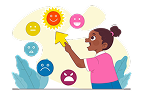
As children learn to read others’ emotions and understand social expectations, they also develop greater awareness of their own emotional responses. This self-awareness helps children respond more calmly when social situations become challenging or overwhelming.
Doing Better in School and Life
School is one of the most socially demanding environments a child encounters. Social communication skills training gives children the tools to participate in class discussions, work in teams, and build supportive relationships with teachers and peers, which supports academic engagement and overall wellbeing.
Making Good Friends
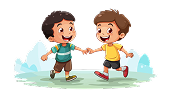
Children with strong social skills are better equipped to form and maintain genuine friendships built on shared interests, mutual understanding, and trust. At RISE, we celebrate every friendship milestone, because we know how much these connections mean to your child and your family.
Help Your Child Build Stronger Social Skills: Contact Us Today
Every child deserves to feel confident, connected, and understood. If your child is struggling to make friends, navigate social situations, or communicate confidently with peers, our team at RISE Development Centre is here to help. Reach out today to book an assessment or learn more about our Social Skills Training programme.
Frequently Asked Questions (FAQs)
Why do children with autism need Social Skills Training?
Children with autism spectrum disorder often find social interactions harder to understand intuitively. While neurotypical children may pick up social cues naturally through experience, children with ASD benefit from explicit, structured teaching of these same skills. Social Skills Training breaks down the unspoken rules of social interaction into clear, learnable steps, giving children the understanding and practice they need to engage meaningfully with others.
What age group is eligible for Social Skills Training?
Social Skills Training at RISE is available for children across a range of ages and developmental stages. Our therapists tailor the programme to suit your child’s current developmental level, communication abilities, and specific social goals. Early intervention is highly beneficial, but social skills development is valuable at any age.
How long does it take to see progress in a child's social skills?
Progress varies depending on the child’s starting point, session frequency, and how consistently skills are reinforced at home and in school. Some families notice changes within a few weeks; for others, meaningful progress emerges over several months. Our team sets clear, measurable goals and provides regular progress updates so you always have a clear picture of how your child is developing.
Are these social communication skills taught in group or individual sessions?
RISE offers both individual and group-based Social Skills Training depending on what best suits your child. Individual sessions allow for personalised, focused instruction in a low-pressure environment. Group sessions provide the opportunity to practise skills alongside peers with guided therapist support. Many children benefit from a combination of both, progressing from individual learning to group application as their confidence grows.